How Much Is My RV Park Worth? How Buyers Value RV Parks
How buyers value an RV park, with a free NOI calculator: net operating income, cap rates, occupancy, condition, and ways to raise your price before you sell.
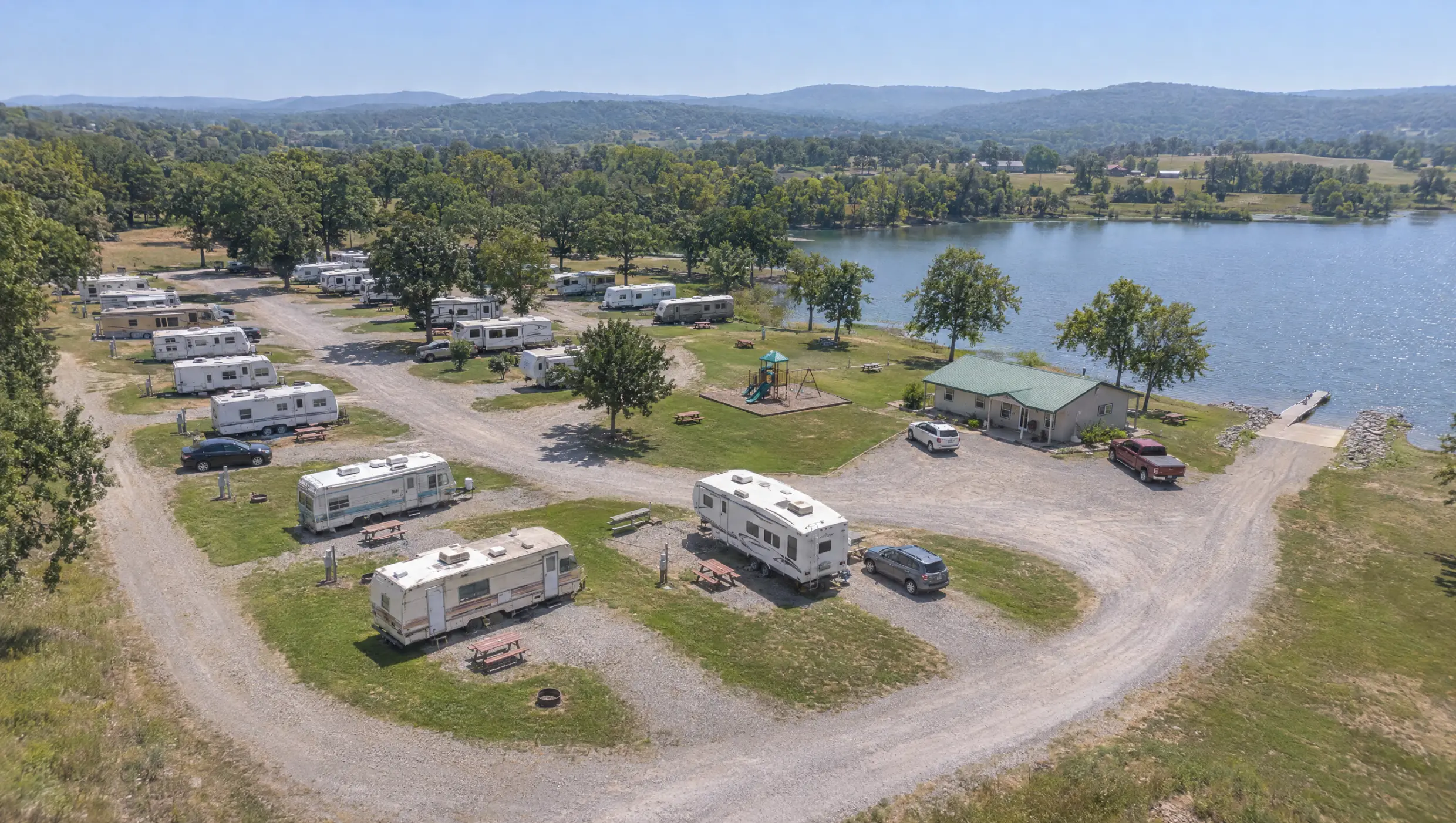
Most owners want to know one thing before they think about selling: what’s it worth? For most RV parks, the answer starts with one number, net operating income, and one simple formula.
The short version: value is roughly net operating income divided by a cap rate. Then buyers adjust for condition, risk, and upside.
Step 1: Find your net operating income
Net operating income (NOI) is what the park earns in a year after running costs, but before loan payments and your own income taxes.
Revenue usually includes:
- Nightly, weekly, monthly, and seasonal site rent
- Storage, store sales, laundry, propane, firewood, and other extras
- Cabin or park model rentals, if you have them
Operating expenses usually include:
- Utilities: electric, water, sewer or septic pumping, trash, internet
- Payroll and contract labor
- Insurance and property taxes
- Repairs and maintenance
- Reservation software, marketing, and management
Not included: your mortgage payments, depreciation, and personal expenses run through the business. If the books include owner perks, like a truck or a family phone plan, list them separately. Buyers may add them back, but only if they can verify them.
Step 2: Understand cap rates
A cap rate (capitalization rate) is the yearly return a buyer expects from the park, as a percentage of the price. Divide NOI by the cap rate and you get a value.
Cap rates aren’t fixed. They rise and fall with interest rates and with how risky the income looks. A steady, year-round park in a strong location attracts more buyers, and buyers who compete accept a lower return, which means a higher price. A seasonal park with deferred maintenance gets a higher cap rate and a lower price.
Example only, not a market quote: a park with $180,000 of NOI is worth about $2,250,000 at an 8% cap rate ($180,000 divided by 0.08), and about $2,000,000 at a 9% cap rate. One percentage point moved the value by $250,000. That’s why the details below matter so much.
Try it: RV park NOI calculator
Plug in your own yearly numbers to see your net operating income and a rough value. It opens with the example above. Your numbers stay on your device.
Your results
- Total revenue
- $340,000
- Operating expenses
- $160,000
- Expense ratio
- 47%
- Net operating income
- $180,000
Estimated value at 8%
$2,250,000
About $37,500 per site
| Cap rate | Value |
|---|---|
| 7% | $2,571,000 |
| 7.5% | $2,400,000 |
| 8% | $2,250,000 |
| 8.5% | $2,118,000 |
| 9% | $2,000,000 |
A planning estimate, not an appraisal or an offer. Real prices depend on verified numbers, condition, location, and the market.
Get My Cash OfferStep 3: What moves the number
Buyers start with NOI and a cap rate, then adjust. Things that raise value:
- Steady occupancy across the year, not just in peak season
- Rates in line with the local market, with records to prove it
- Monthly or long-term guests with a good payment history
- Recent upgrades, like 50-amp service, full hookups, better roads, or reliable Wi-Fi
- Room to grow: permitted but unbuilt sites, or usable extra land
- Clean, verifiable books
Things that lower value:
- Deferred maintenance, like a failing septic system, old electrical, or rough roads
- Water or wastewater systems near the end of their life, or out of compliance
- Heavy dependence on the owner, where you’re the only one who knows how things work
- Zoning or licensing problems, or more sites than the permits allow
- Revenue a buyer can’t verify
Other ways buyers check the price
- Price per site: a quick comparison against recent sales of similar parks. It’s rough, because two 50-site parks can have very different income.
- Land value: for small parks or parks with low income, the land itself can set the floor on price, especially near growing towns.
- Replacement cost: what it would cost to build a similar park today. It rarely sets the price, but it can support it.
How to raise your price before you sell
You don’t need a big renovation. The best returns usually come from four things:
- Cleaning up the books. Separate personal expenses and track revenue by source.
- Bringing rates to market. If your rates are well below nearby parks, a gradual increase with steady occupancy proves the upside to a buyer.
- Fixing what scares buyers. Safety and system issues, like electrical or septic, usually cost more in a buyer’s price than they cost to fix.
- Documenting improvements. Receipts and dates turn “we redid the roads” into value.
Our document checklist shows how to pull it all together. And if you’re open to being paid over time, seller financing can widen your pool of buyers.
Questions owners ask
What is a good cap rate for an RV park?
There isn't one number. Cap rates move with interest rates, location, park quality, and how steady the income is. A well-run park with year-round demand usually sells at a lower cap rate, which means a higher price, than a seasonal park that needs work. A local appraiser or recent sales of similar parks are the best guide for yours.
Do buyers pay for a park's potential?
Usually not in full. Buyers pay for the income a park makes today, and may give some credit for clear, low-risk upside, like rates that are below the local market. Upside that needs permits, construction, or new demand is mostly priced as the buyer's reward for doing the work.
Should I get an appraisal before selling?
It can help, especially if you're weighing several offers or considering seller financing. An appraisal gives you an independent number. At minimum, have clean financials ready so any buyer's valuation is based on accurate income.